
You have an outdated webbrowser. The website might not work correctly.
The beautiful damascus patterns are the first thing you notice about Böker's damascus pocket knives. Thanks to the skilled craftsmanship, each damascus knife has a unique appearance. This unique appearance can be found in a wide selection of all the different Böker damascus pocket knives.
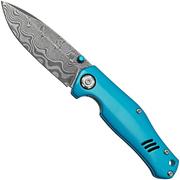


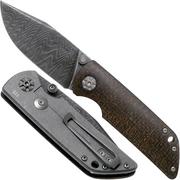

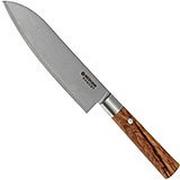

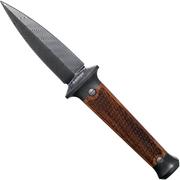

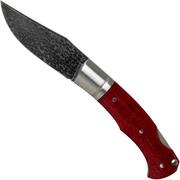


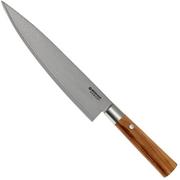

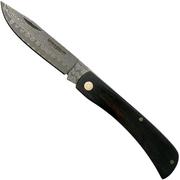

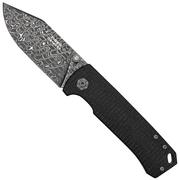

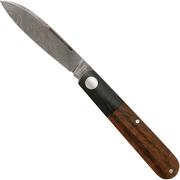

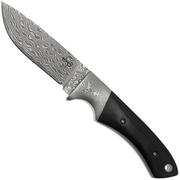

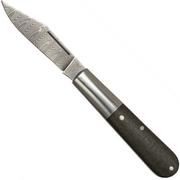

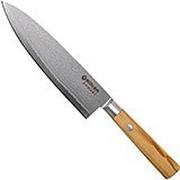

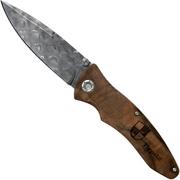

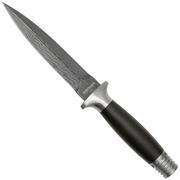

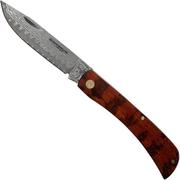

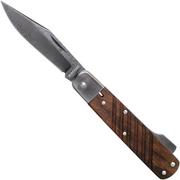

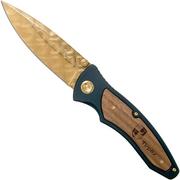

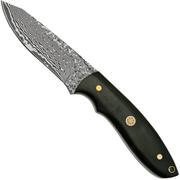

For most damascus pocket knives made in Solingen, Böker uses special damascus steel from renowned blacksmith Chad Nichols, who specialises in damascus steel. Among other things, he supplies damascus steel for the Böker Tirpitz models and the special armour steel pocket knives.
Böker has divided its range into different lines. It therefore varies per brand line whether the knives are produced in Solingen. Would you like to particularly buy a damascus knife from Solingen? Then you should consider the damascus pocket knives from the “Böker Manufaktur Solingen” line. To emphasise the authenticity of the pocket knives, you will receive a certificate of authenticity. In 1980, Böker was the first company to mass-produce damascus pocket knives. To date, no manufacturer has used damascus steel for mass production. Originally, Böker's damascus knives were traditionally handmade in Solingen, with a strictly limited production run. This is still the case today, and those same damascus knives are still made by hand in Solingen every year. As such, Böker also produces damascus hunting knives and offers a wide selection of other [Böker pocket knives without damascus steel(/en/ct/boker-knives.htm).
Dasmacus steel is also known as wootz steel or folded steel. Although the way in which these two types of damascus steel are manufactured differs slightly, all types of damascus steel involve two or more types of steel being repeatedly forged and folded. This method produces different layers and a balanced ratio between the hardness and brittleness of the metal. Because the amount of carbon in steel or iron is important, there is no such thing as stainless damascus steel. The distinctive pattern is created by special forging techniques and only becomes visible after the knife has been ground and etched. Read our article if you would like to know more about damascus steel.
In classic damascus steel, two or more types of steel are forged and folded. This continues until the desired number of layers is reached. You will always get an even number of layers. With an odd number of layers, there is usually another type of steel in the core of the blade. A manufacturer may choose to do this because it is a nice way to emphasise the damascus pattern at the edges.
The Böker range includes knives with 200 damascus layers, but there are also various pocket knives with an uneven number of layers. Most of these can be found in the Böker Plus brand line.
Damascus pocket knives are easily sharpened. You do not need to use a different sharpening method than you would for ordinary knives. However, we recommend that you handle it with care to prevent ugly scratches. What you do need to pay attention to is cleaning the blade. Aggressive cleaners can sometimes damage certain parts of the damascus blade. Watch our videos and read our step-by-step instructions here.


