



best-seller

You have an outdated webbrowser. The website might not work correctly.
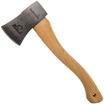
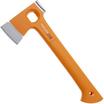
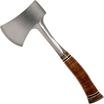
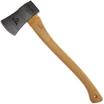
You use a hand axe for smaller chopping tasks. Chopping kindling, building shelter while bushcrafting or lighter splitting work for a campfire. Perfect next to the heater or in your backpack for when you go hiking.
Can’t see the forest for the trees?
Don’t worry, we will help you choose the right axe!
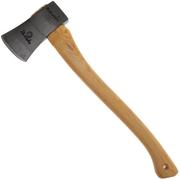

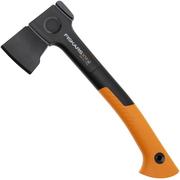


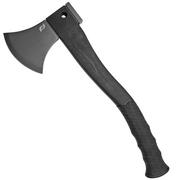

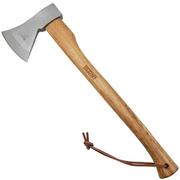


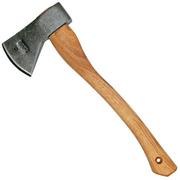

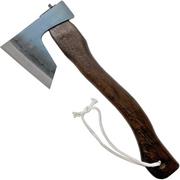

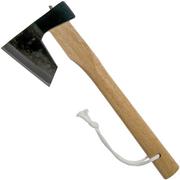

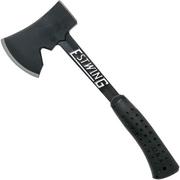


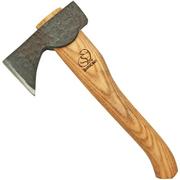


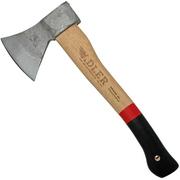

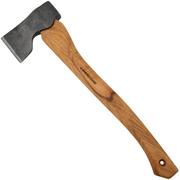


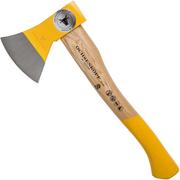


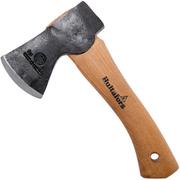

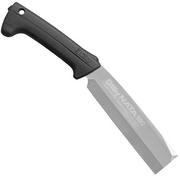

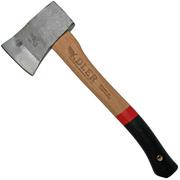

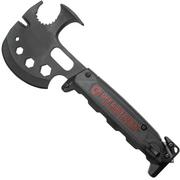

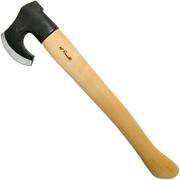

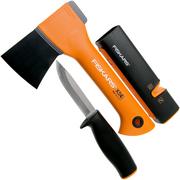

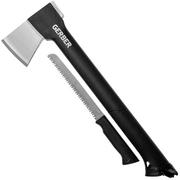


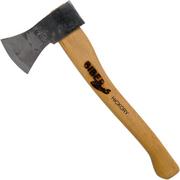

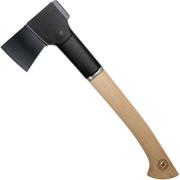

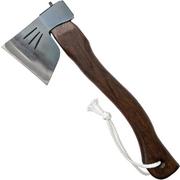


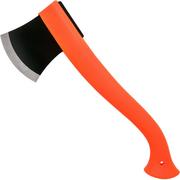

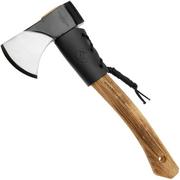

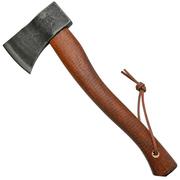

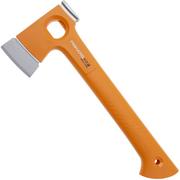

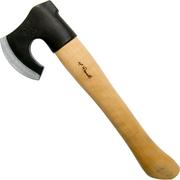

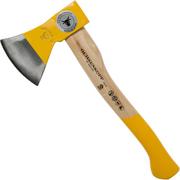

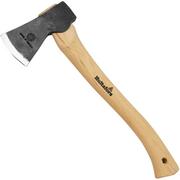

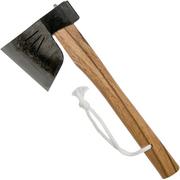

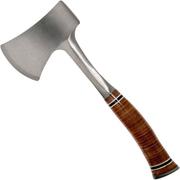

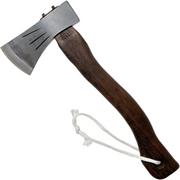

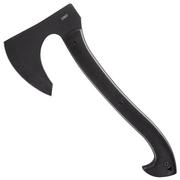

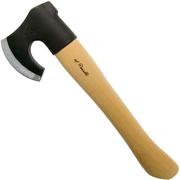

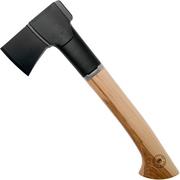

Choose a hand axe for the job: making kindling beside your tent calls for something different from an afternoon splitting firewood.
Fiskars and Hultafors are the best-selling brands, with axes you can take along without a second thought. Gränsfors Bruk and Hults Bruk are a step up: hand-forged in Sweden and made to last a lifetime.



A characteristic of a hand axe is that, in general, you can easily use it with one hand. As such the axe isn’t too big or too heavy. It often fits in your backpack. A hand axe is not razor-sharp when it is delivered, but is best when it is razor-sharp. After all, you use it for cutting feather sticks to make sure a couple of sparks from a firesteel are enough to start a fire.
Here you will find the best hand axes from top brands such as Fiskars and Hultafors who wish to carry on the Scandinavian axe tradition. But also more special axes such as the Japanese Silky axes and camping axes specifically designed for camping trips.


